
 English
 Spanish
 Arabic
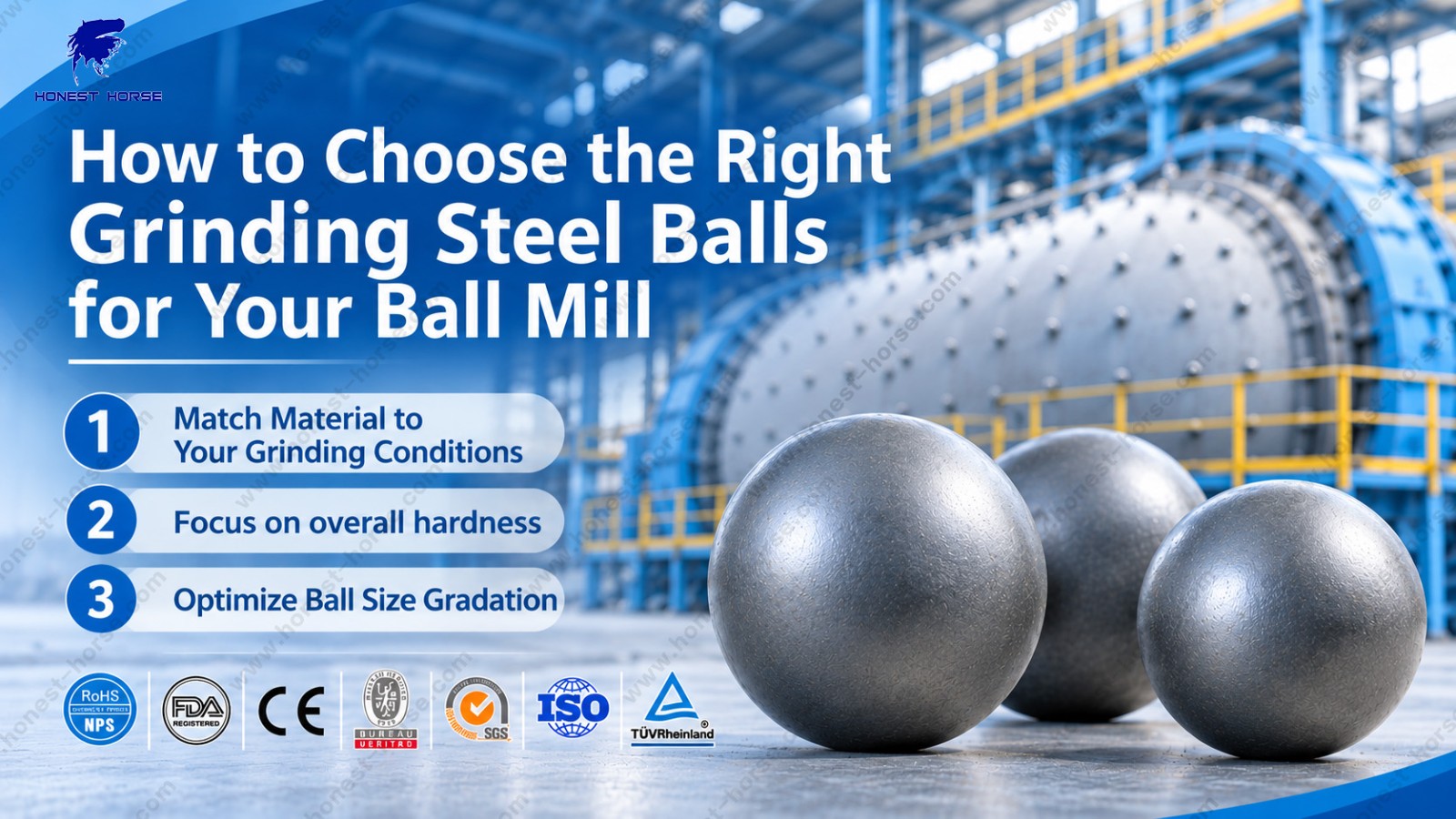
How to Choose the Right Grinding Steel Balls for Your Ball Mill
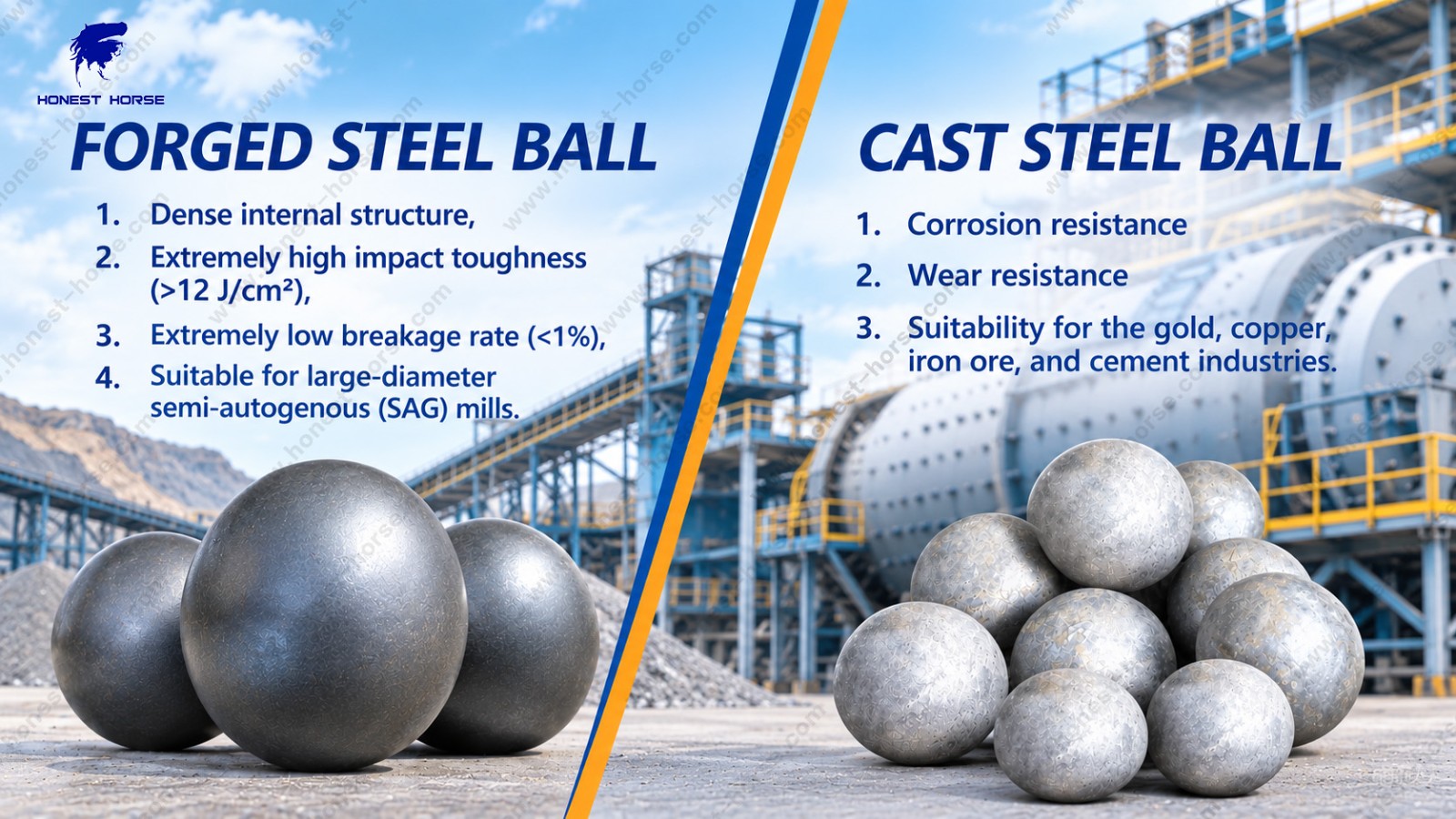
1. Match Material to Your Grinding Conditions The choice between forged steel balls and cast iron balls comes down to impact versus abrasion. For large-diameter SAG mills or primary ball mills with high impact forces, forged alloy steel balls are ideal due to their dense internal structure, high impact toughness (>12 J/cm²) and ultra-low breakage rate (<1%). Conversely, for secondary fine grinding or corrosive wet milling across gold, copper, iron and cement applications, high-chrome cast balls offer superior corrosion and abrasion resistance.
2. Look Beyond Surface Hardness While high surface hardness (HRC 58–65) reduces wear, volumetric hardness is what truly determines media lifespan. Premium heat-treated grinding balls maintain minimal hardness drop from surface to core, ensuring uniform spherical wear and effectively preventing premature spalling, out-of-round deformation or fracturing during continuous heavy-duty operation.
3. Optimize Ball Size Gradation Using a single ball diameter rarely delivers optimal throughput. Larger balls (80–125mm) provide the strong kinetic impact energy needed to crush coarse 20–50mm feed ore, while medium-fine balls (25–60mm) maximize contact surface area for daily fine grinding of 2–15mm particles. A tailored ball charge ratio matched to your ore hardness prevents mill grate blockage and over-grinding, striking an ideal balance between grinding speed and output precision.
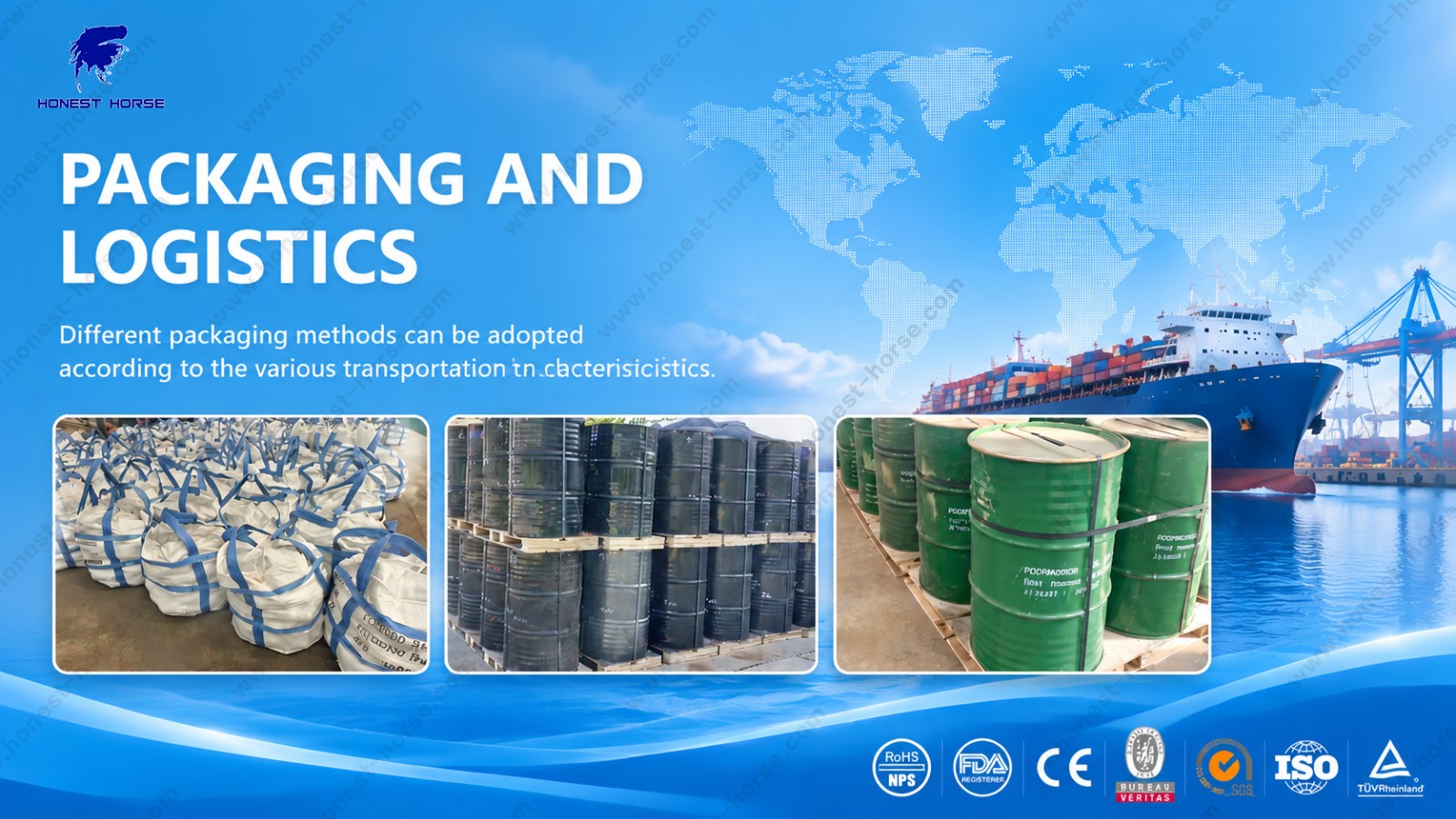
With stable performance, strict ISO/SGS quality standards and great adaptability for mass production, properly selected grinding steel balls are widely approved by global mining distributors and end plants, serving as the top professional media for modern ball mill operations.
2005-2022 © All Rights Reserved.HONEST HORSE (CHINA) HOLDING LIMITED