
 English
 Spanish
 Arabic
Which garnet sad is better for waterjet cutting
II. Cutting Performance
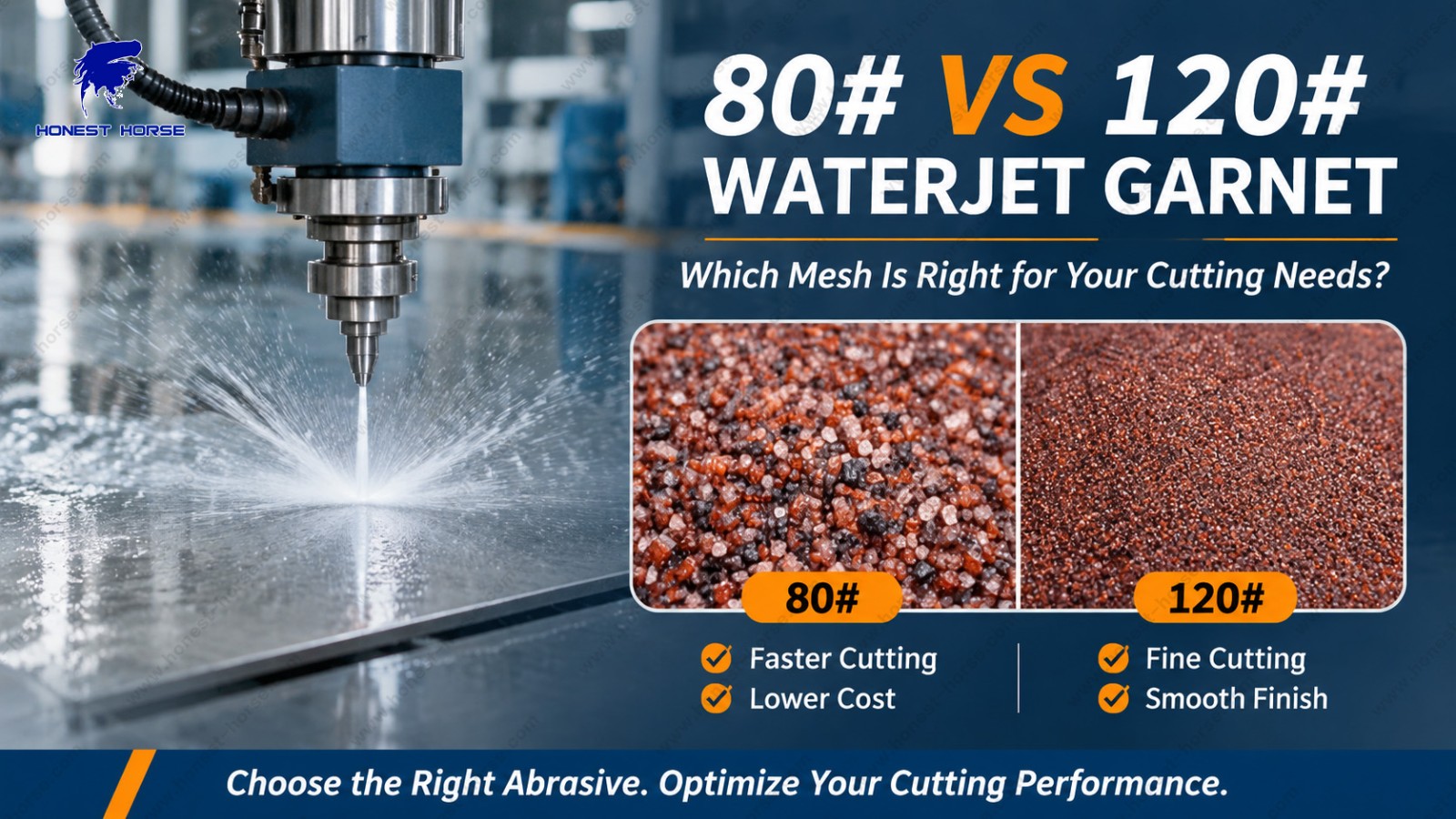
80#: Strong cutting energy and a fast feed rate. It balances cutting speed with kerf quality and gives the best cost-performance of the common grades. It runs standard 0.76/1.02 mm focusing tubes without clogging, and handles both thin and thick plate. The cut surface is medium roughness, which meets most normal tolerance requirements.
120#: The fine grit produces a narrower kerf, a smoother cut surface and less chipping on fragile material. The trade-off is speed: it cuts about 30% slower than 80#. It also needs smaller 0.51/0.76 mm focusing tubes, consumes more abrasive for the same workload, and costs more per part. Thick, hard plate cuts poorly.
III. Application Scenarios
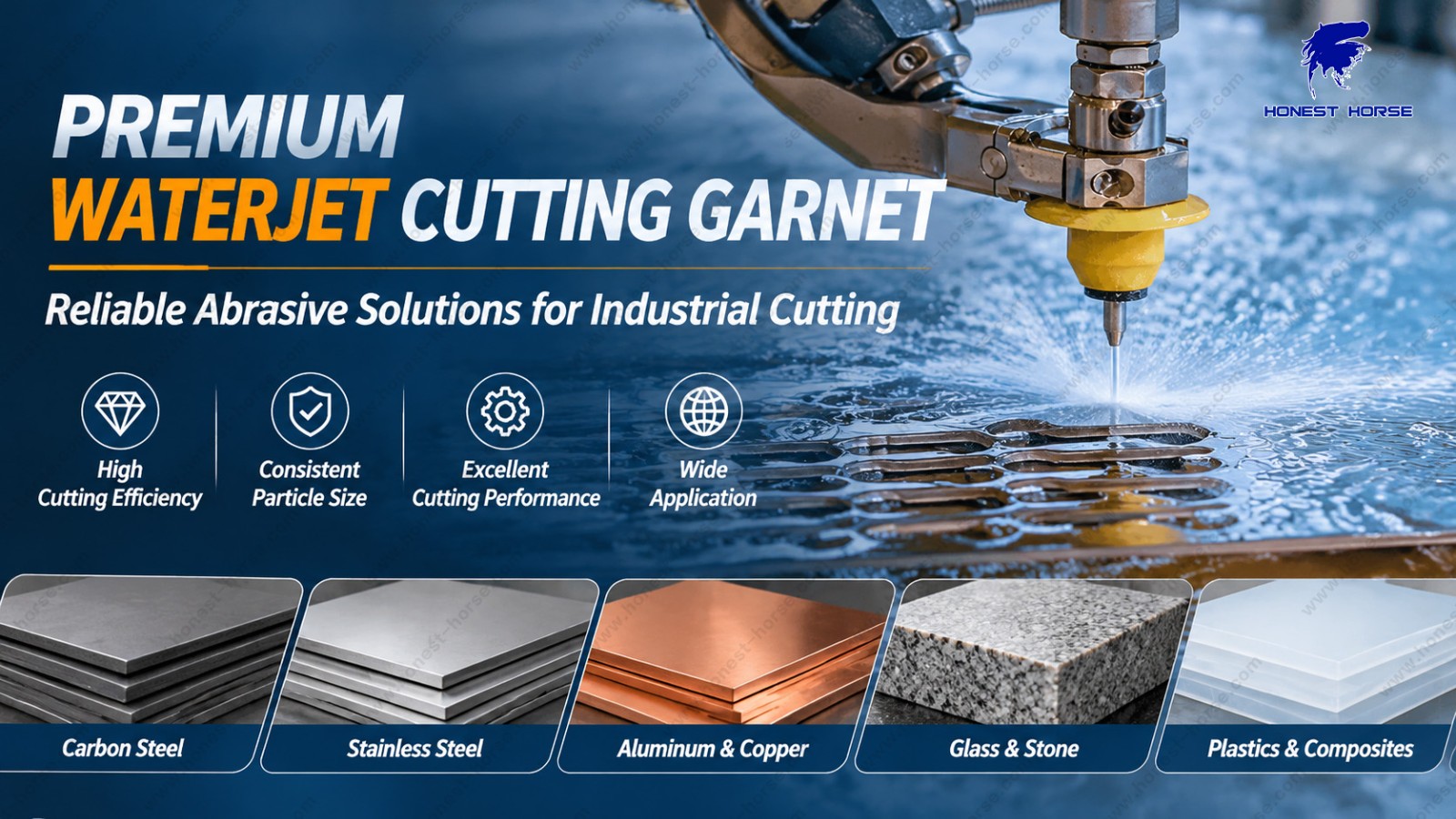
80#: Carbon steel, stainless steel, aluminium, stone, sintered stone and composites. Routine batch production and heavy stock cutting from 3 to 50 mm. This is the grade factories keep in stock and the most common choice in export orders.
120#: Glass, thin copper, plastics, precision small parts, cosmetic and exposed parts, and intricate fine patterns that demand a high surface finish.
IV. How to Choose
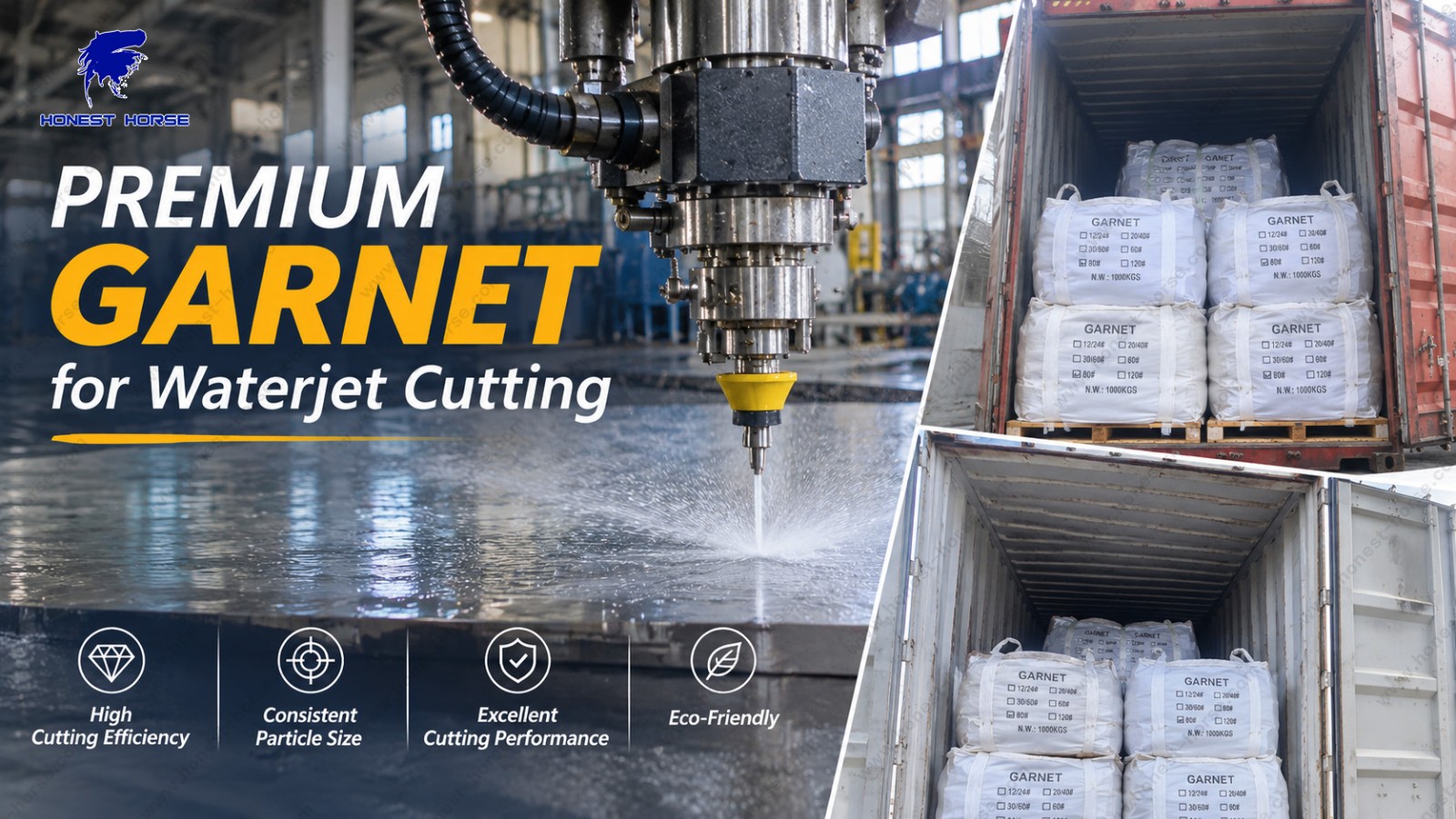
Start with 80# for most jobs: faster cutting, lower cost per part, fewer nozzle issues.
Move to 120# only when edge quality or fine detail matters more than speed, and the budget allows the extra abrasive consumption.
2005-2022 © All Rights Reserved.HONEST HORSE (CHINA) HOLDING LIMITED